


A $150 oil change might seem steep, but sometimes it actually makes sense. If you drive a luxury car, have a big engine, or need a full synthetic oil change, the price can add up fast.
Where you live and who you choose for the job also plays a big part in the final bill.

For most regular cars, $150 is definitely above the norm. Still, if the service includes premium oil, extra quarts, a special filter, or some required maintenance, it might be justified.
Always check the quote closely before you say yes to the oil change.
Prices can swing a lot depending on your car and the shop. You might want to check out Los Angeles oil change costs or look for sneaky add-ons that bump up the price.
A quick review can help you pick the right service without skipping out on important engine care.
Key Takeaways
- $150 isn’t out of the question for luxury vehicles or special service needs.
- Most standard cars cost less for a full synthetic oil change.
- Look at oil type, filter costs, labor, taxes, and any add-ons before you pay.
When $150 Is a Fair Oil Change Price
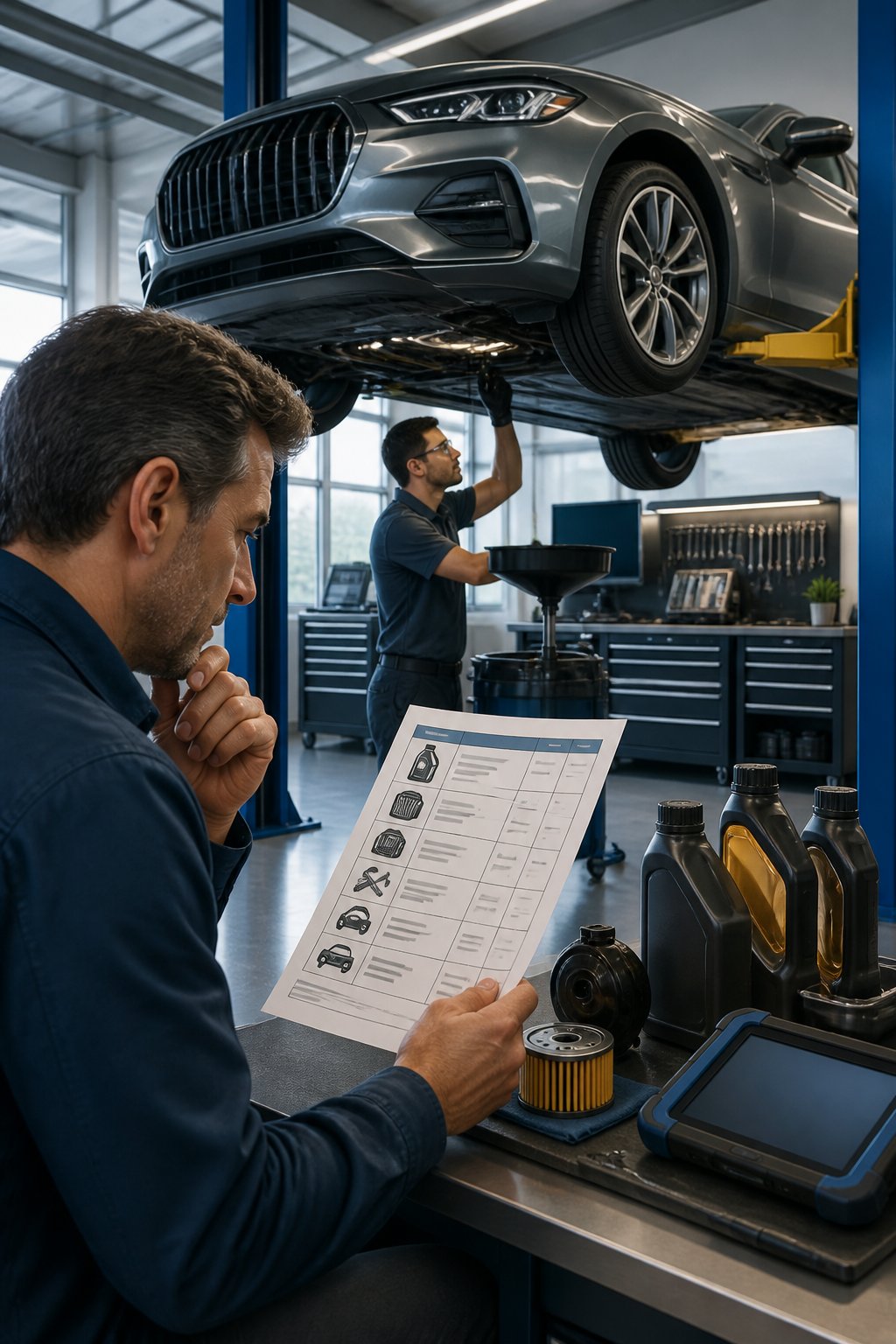
Sometimes $150 is fair, especially if your car needs pricey full synthetic oil, a bunch of quarts, a specialty filter, or added inspections. If you drive a compact car that just needs standard oil, you should get a clear explanation for that price.
Typical Price Ranges by Oil Type
The type of oil you need sets the baseline. Conventional oil changes usually run about $35 to $55.
Synthetic blends are often $50 to $75. Full synthetic oil changes can cost $65 to $125, depending on your car, where you live, and the shop.
High-mileage oil adds a bit more. Expect to pay $55 to $100 depending on whether you use conventional, blend, or synthetic.
$150 is definitely on the high side for most cars. But if the shop uses a premium oil brand, charges fair labor, and includes other real services, it might add up.
Ask for an itemized estimate that lists oil, quarts, the filter, labor, taxes, and anything extra.
Vehicles and Oil Requirements That Raise the Bill
Some vehicles just cost more to service. Luxury cars and many European models need special oil, unique filters, and sometimes seven to nine quarts instead of the usual four to six.
Certified European oil can cost more than standard stuff. Large trucks, diesels, and high-performance engines also push the price up since they use more oil and sometimes require certain viscosity ratings.
If your vehicle takes eight quarts, you’ll pay for those extra quarts beyond a standard five-quart package.
Your warranty or maintenance plan might call for OEM parts or a specific oil. Check your owner’s manual to be sure.
A good independent shop can often do the job for less than a dealership and still use the right parts and oil.
What a $150 Service Should Include
For $150, you should get more than just new oil and a filter. The service should include the right amount and type of oil, a quality or OEM filter, and a new drain-plug washer if needed.
They should check for leaks, reset the oil-life monitor, and record the mileage plus the next service interval.
Most shops toss in a multi-point inspection, too. That usually covers tire pressure, fluid levels, belts, hoses, lights, brakes, and leaks.
Fluid top-offs are nice, but don’t let anyone talk you into extra repairs without a written price and a reason why it matters.
How Service Locations Compare
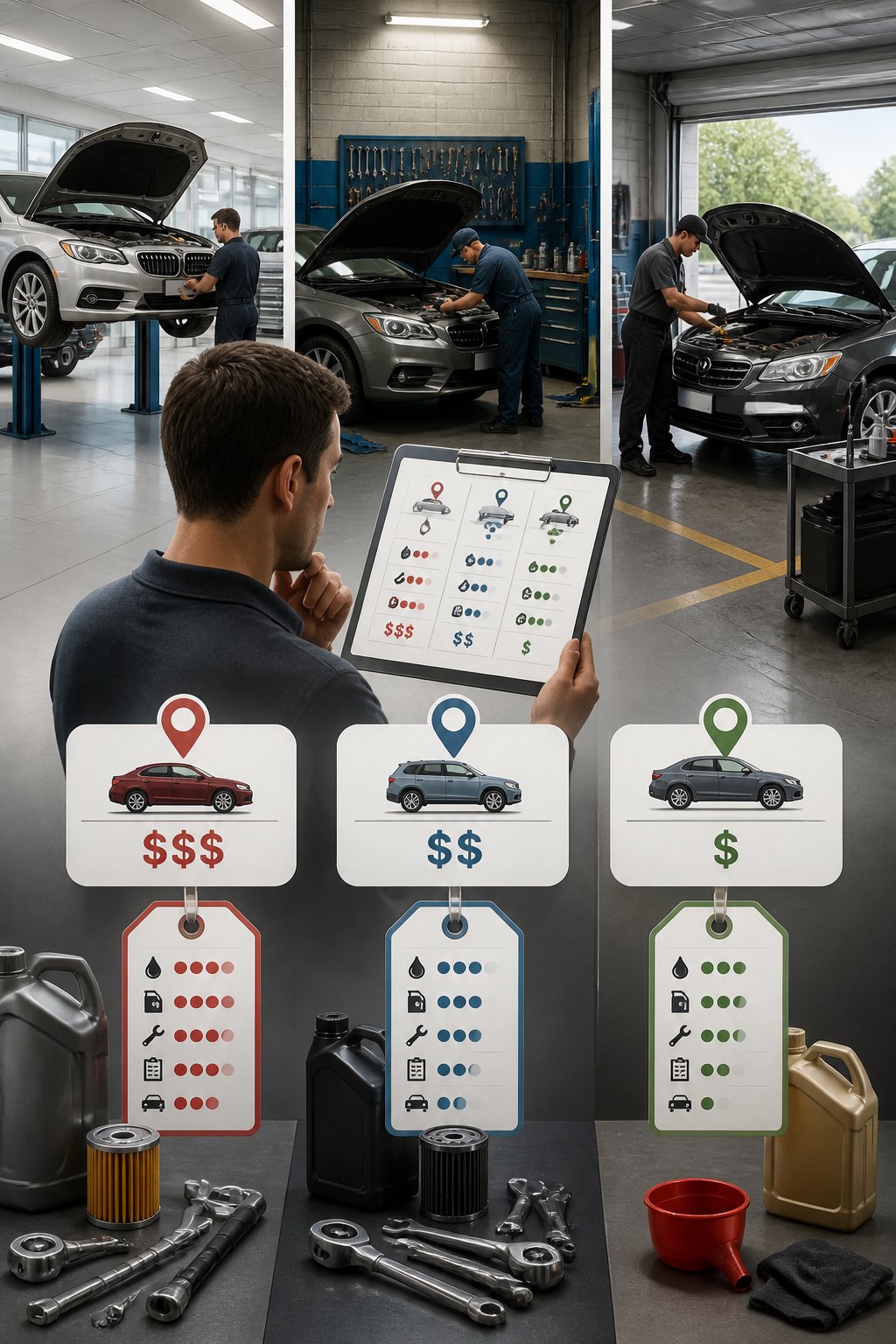
You might pay $150 at a dealership, especially if you need full-synthetic oil and extra services. At a quick lube, that price needs to come with a bigger vehicle, premium oil, or some serious add-ons.
Quick Lube Chains and Advertised Specials
Quick lube chains like Jiffy Lube and Valvoline love to advertise low prices. Usually, that’s for basic oil, a set number of quarts, or if you have a coupon.
If your car needs synthetic oil, extra quarts, or a special filter, the final bill climbs.
Always ask for the out-the-door price before they start. Make sure you know the oil type, how much you’re getting, the filter cost, labor, taxes, and disposal fees.
Techs might suggest air filters or fluid services. These can be useful, but you don’t have to say yes if your maintenance schedule doesn’t call for them.
Compare the advertised deal with current prices at major chains. Coupons help, but $150 still deserves an explanation.
Independent Shops Versus Dealerships
An independent mechanic usually charges less than a dealership and still gives you a professional oil change. They work on lots of brands and often include a basic inspection.
Ask if their quote includes the right oil, a new filter, labor, and a reset of your maintenance reminder.
Dealerships tend to cost more. Their techs follow the brand’s procedures and might check vehicle-specific systems.
It makes sense to go to the dealer if your car’s under warranty or needs special oil. But for basic oil changes, you don’t always need to go there.
Independent shops usually have lower labor rates than dealerships, but the final price depends on your car, oil, and local rates. Get written estimates and compare.
How Location Affects Local Rates
Where you live affects what you’ll pay. Shops in expensive areas charge more than those in smaller or cheaper towns.
Even in one city, dealerships, quick-lube places, and independent shops can all charge different rates.
Call a couple of shops nearby, give them your car’s year, make, model, engine, and mileage, and ask for the total price for the oil and filter.
You can use local listings to compare options, like oil change stations near Ashburn, but always confirm prices directly.
A high bill might just reflect local rates, but make sure the work matches what your car actually needs.
Check the Quote Before Approving Add-Ons
A $150 oil change might include more than just oil and a filter. Go through every charge, double-check what your car actually needs, and compare the price with an independent shop before saying yes to extra work.
Separate Oil, Filter, and Labor Charges
Ask for an itemized estimate that shows the oil cost, filter, labor, shop fees, taxes, and disposal charges. If your car needs several quarts of synthetic, that’s going to cost more, but the quote should spell out the amount and grade.
Make sure the filter matches your car. Check if the price includes replacing it.
Watch out for charges that don’t belong in a basic oil change, like an engine flush or a separate inspection fee. Engine flushes aren’t usually needed unless a tech finds a real problem.
Prices jump around based on your car, oil, location, and shop. Compare the dealer’s estimate with typical oil change prices before you approve anything.
Useful Maintenance Versus Optional Upsells
Some recommendations are legit, others can wait. A multi-point inspection can catch worn brakes, leaks, or bad tires, but you don’t have to approve every repair right away.
Ask the tech to show you the issue and explain if it’s a safety risk.
Fluid top-offs help if you’re low, but ask which fluid and why. Wiper blades should be replaced if they streak, skip, or the rubber’s cracked. You don’t need new ones at every oil change.
Stick to your owner’s manual for oil change intervals. Newer cars often go longer than 3,000 miles, especially with the right oil.
Short trips, towing, traffic, dust, or extreme weather might mean you need more frequent changes.
How to Get a Better Price
Call a few good shops and ask for the same service: the right oil, correct filter, labor, taxes, and disposal fees. See if there’s a coupon or package price, but always confirm the final total before you go in.
Independent shops usually beat dealers on price for basic maintenance, but check their reviews and credentials.
A dealer vs. independent price comparison can show you where you might be overpaying.
Don’t feel pressured into add-ons you don’t need right away. Ask for the inspection report, mileage, recommended timeline, and a written estimate so you can shop around.
Choose the Right Service and Protect Your Engine
Paying $150 might be reasonable for a big vehicle, synthetic oil, or dealership service, but always check what’s included. Use the right oil, stick to the service schedule, and skip add-ons your car doesn’t need.
Follow the Owner’s Manual Rather Than the 3,000-Mile Rule
Your owner’s manual lists the right oil viscosity, performance standard, oil capacity, and change interval. Most newer cars can go longer than 3,000 miles, especially with the right oil.
Some cars have an oil-life monitor that adjusts based on your driving.
If you drive in tough conditions—short trips, towing, dusty roads, extreme temps, or lots of idling—you might need more frequent changes. Check the manual before agreeing to extra services, and have the shop show you the recommended interval.
Using the right oil helps protect your engine and can improve performance and fuel economy. The wrong oil or skipping changes can lead to engine wear and expensive repairs.
If your manual allows for either conventional or synthetic, compare the price and interval before you decide.
DIY Savings, Supplies, and Used-Oil Disposal
Doing your own oil change can save you on labor, but you’ll need the right supplies and a safe spot to work. Grab the right oil, a matching filter, a drain pan, new drain-plug washer (if needed), gloves, ramps or jack stands, and a wrench for the drain plug.
Work on a flat surface, use jack stands (never just a jack), and make sure you follow the manual’s torque spec for the drain plug.
Replace the filter, add the correct oil, and check for leaks after you start the engine.
Parts cost less than paying a shop, but you need to dispose of used oil properly. Many auto-parts stores, like AutoZone’s recycling program, take used oil.
Store it in a sealed container, don’t mix it with other fluids, and check the store’s limits before you go.
Why Electric Vehicles Are Different
Electric vehicles don’t use gas engines, so they skip oil changes and oil filters. That’s one less maintenance cost and no engine-oil-related repairs.
You still need to service things like tires, brakes, cabin air filters, windshield fluid, suspension parts, and battery cooling. Regenerative braking helps brakes last longer, but you still need inspections.
Hybrids are different—they still have a gas engine and need oil changes. Follow the hybrid’s manual, not an electric-only schedule.
If you drive a battery-electric car, a $150 “oil change” doesn’t make sense. Make sure the shop knows your car’s powertrain before you approve any service.
Frequently Asked Questions
Most people pay around $50–$100 for conventional oil and $70–$150 or more for full synthetic. Your car’s oil capacity, oil type, location, shop, and inspection fees can bump the price up to $150 or beyond.
What is the average cost of a conventional versus synthetic oil change?
A conventional oil change usually runs about $50–$100. Full synthetic oil changes cost more—often $70–$150 or higher.
Synthetic blends land somewhere in the middle. These prices generally include labor and an oil filter, but they can shift depending on your car and the shop.
You might save a bit with a discount or by picking an independent repair shop. Always check your owner’s manual before picking an oil type, since your engine could need a particular viscosity or synthetic blend.
If you’re curious, there’s a 2026 oil change pricing guide and more price comparisons out there.
What factors can make an oil change cost $150?
You might see a $150 oil change if your car needs full synthetic oil, has a big engine, or requires more oil than average. Some cars just demand specialized oil, which drives up the price.
Dealership labor rates and premium filters can add even more. Sometimes, shops bundle in a vehicle inspection, tire rotation, or fluid checks with the oil change.
It helps to ask for an itemized estimate. That way, you can see exactly what you’re paying for and spot any extras.
Is $100 too much to pay for an oil change?
$100 isn’t always too much. It’s a reasonable price for full synthetic oil, especially for cars that need more quarts or when the shop adds an inspection.
If you’ve got a small car and only need conventional oil, $100 might feel steep—unless extras are included. It’s smart to compare the shop’s quote with your owner’s manual and check if the price covers tax, filter, labor, and disposal fees.
You’ll usually see oil changes priced between $50 and $150, based on these factors.
How much does a synthetic oil change typically cost at major service centers?
Major service centers often charge $70–$150 for a synthetic oil change. Sometimes, promotions can knock that price down, but bigger vehicles, premium oils, or extra services can bump it up.
Always check how many quarts are included in the price. Some deals only cover a set amount, so you might pay more if your car takes extra oil.
If you want more details, this car engine oil cost guide breaks down other things that affect the price.
How much should an oil change cost for a Toyota Corolla?
For a Toyota Corolla, you’ll probably pay around $50–$100 for conventional oil or $70–$120 for full synthetic. The exact price depends on your model year, oil capacity, shop, and where you live.
Double-check your owner’s manual for the right oil grade and how often you need to change it. Dealerships might charge more than independent shops, but any estimate should clearly show the oil, filter, labor, taxes, and any extras.
Do oil change prices vary significantly by location, such as California?
Yes, they do. Oil change prices tend to run higher in California.
Labor costs, rent, taxes, and disposal fees all play a role. You might pay less at an independent shop in a small town than at a dealership in a big city.
Sometimes, local promotions help close the gap. Always compare at least two itemized quotes.
Make sure each quote covers the same oil type, oil quantity, filter, labor, and services. The oil change price guide from carVertical points out that prices can swing a lot depending on where you go and what you drive.