
You can stretch $200 a lot further in many parts of Mexico than in the U.S., especially outside the big tourist zones. How far it really goes depends on where you are and what you buy.
In many towns and cities, $200 covers several days of food, basic transport, and a few activities. In tourist hotspots, it might feel like pocket change.
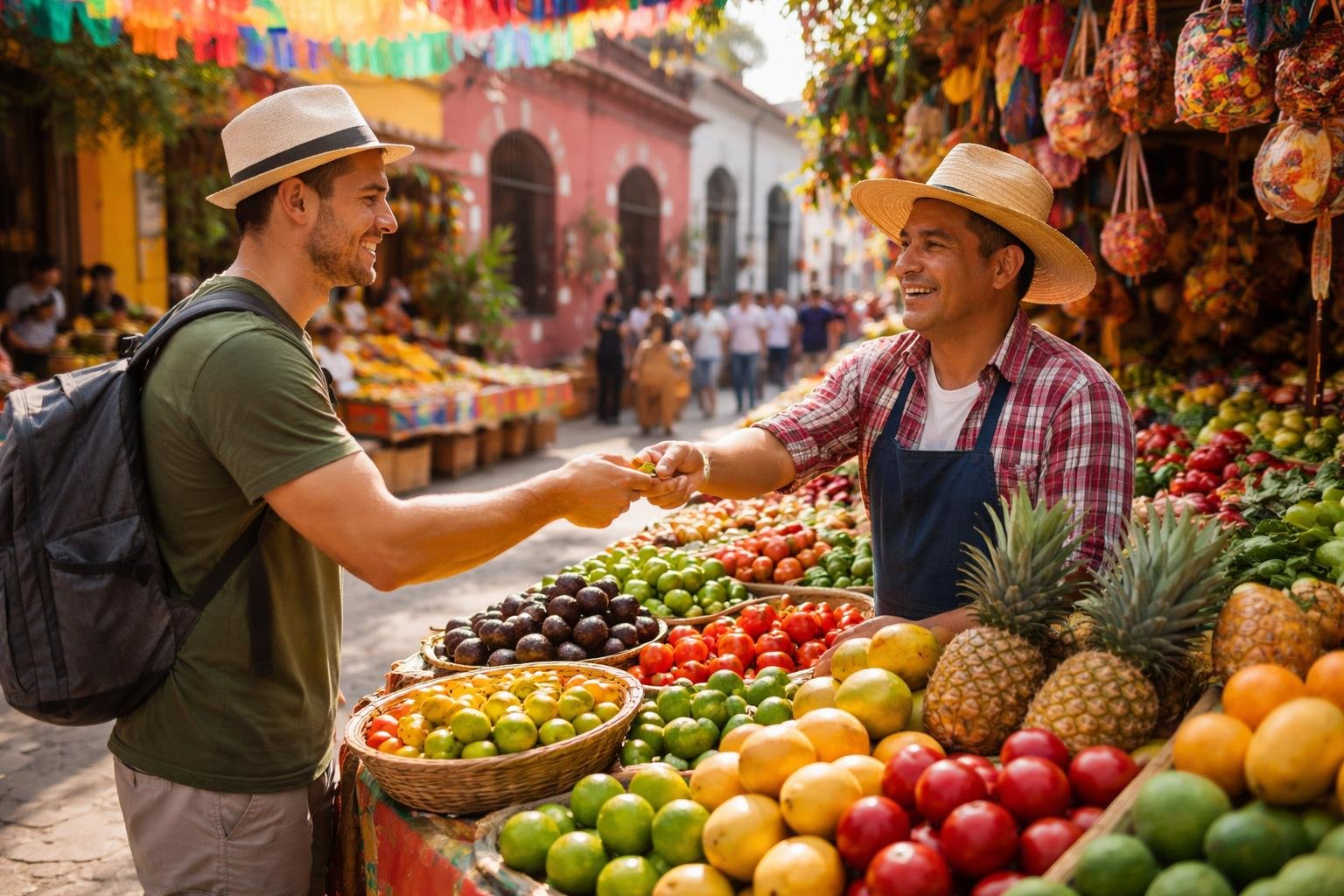
Think about exchange rates, local prices, and whether you use cash or cards. These factors all change what $200 actually buys.
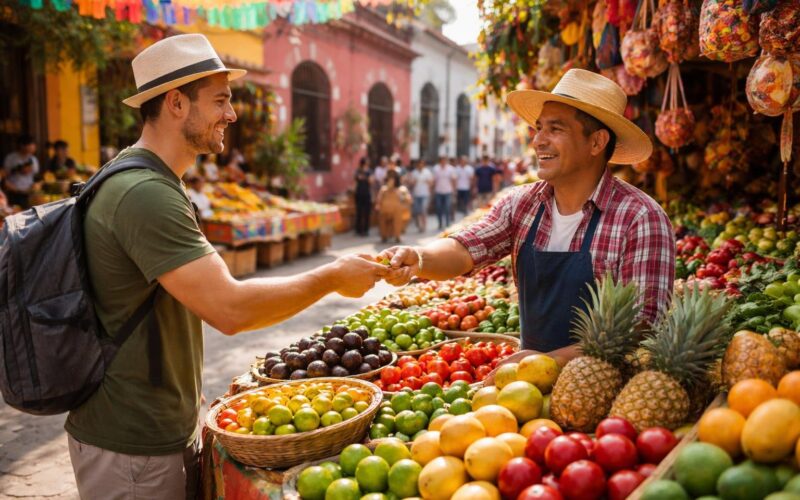
If you eat at local markets, ride public transport, and skip expensive tours, your money will go a lot further.
Key Takeaways
- Exchange rates and location change what $200 buys
- $200 can cover everyday costs in non-tourist areas
- Smart spending and cash use boost your buying power
Understanding the Exchange Rate and Currency Conversion
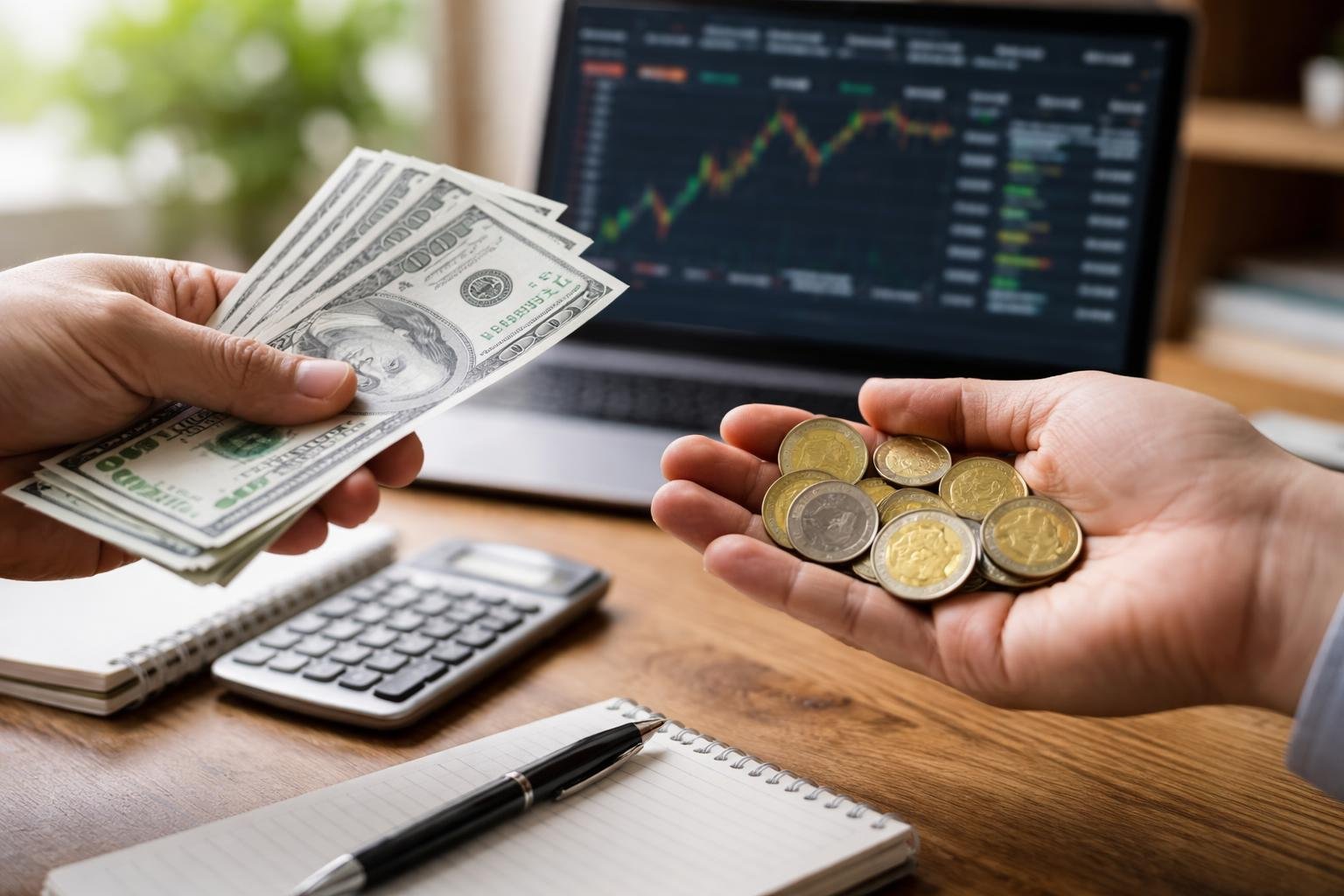
You’ll want to know how much 200 USD becomes in pesos, where to check live rates, and how banks or apps can change your final amount. This helps you compare offers and avoid surprises when you swap cash or use cards.
Current USD to MXN Conversion
The USD to MXN exchange rate changes daily and even hourly. Right now, mid-market rates are close to what’s shown on live converters.
For a rough idea, multiply the current rate by 200. You can check a USD to MXN converter for up-to-the-minute numbers.
Cash exchange counters usually pay a little less than the live rate. Card payments often add fees.
Look at the exchange rate, then subtract any percentage or flat charges your bank or service tacks on. That’s the real amount of pesos you’ll get.
Using a Currency Converter
Use a currency converter for the mid-market rate and to see historical charts. Tools like XE or Wise show real-time numbers and let you type in 200 USD to see the converted MXN amount instantly.
The chart feature shows recent highs and lows, which helps you decide when to exchange.
When you use a bank or money-transfer app, compare their rate to the converter’s mid-market rate. If the bank’s rate is worse or adds fees, you’ll get fewer pesos.
Always check both the displayed exchange rate and any extra fees before you convert.
How the Mid-Market Rate Works
The mid-market exchange rate is the fair rate you see on price-tracking tools and USD to MXN charts. Converters and services that show “mid-market” use this rate, but most retail providers add a markup.
Compare the mid-market rate from a converter with the rate offered to you. If the offered rate is lower by 1–3% or more, that’s the markup.
Flat fees like transfer charges also chip away at your final MXN from 200 USD. For reliable mid-market numbers and charts, check services such as Wise’s USD to MXN page.
What $200 USD Can Buy in Mexico
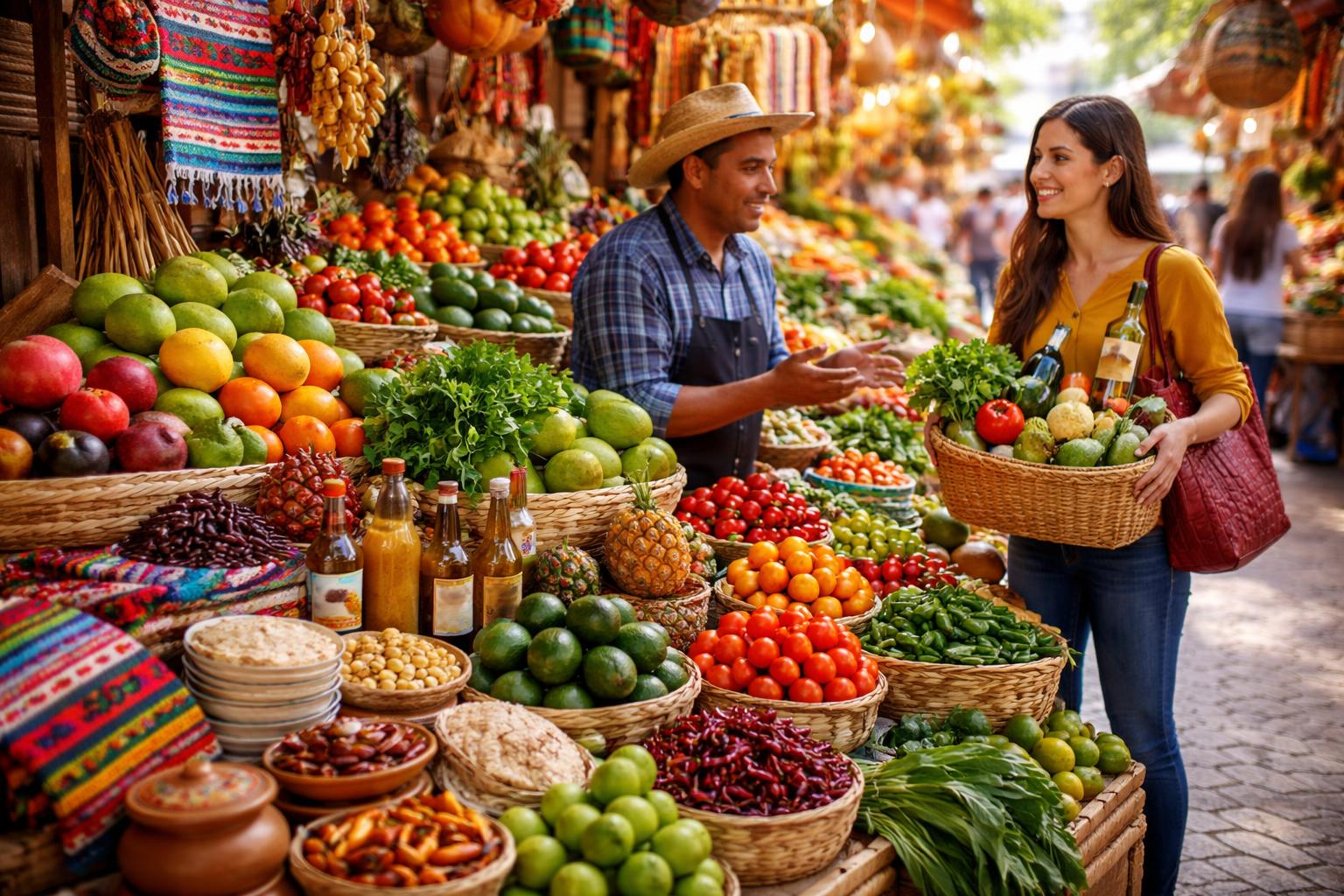
$200 USD usually turns into about 3,600–4,000 MXN, depending on the exchange rate that day. That amount can cover several days of basic living, a couple of mid-range experiences, or one upscale purchase, depending on where you are.
Cost of Living and Average Expenses
If you convert $200 USD at current rates, expect about 3,600–4,000 MXN. In big cities like Mexico City or Monterrey, a basic grocery run for one person costs 400–800 MXN.
Local buses and metro rides are under 10 MXN each. Short taxi or rideshare trips usually run 50–200 MXN.
If you budget, $200 will stretch to a week of modest groceries, several transit trips, and some small household items. In tourist towns, prices rise—meals and souvenirs can eat up your cash faster.
Check live exchange rates or an online converter before you spend.
Typical Purchases: Food, Accommodation, and Activities
A street-taco meal is usually 30–80 MXN, so you can buy plenty of meals on $200. A sit-down dinner in a mid-range restaurant might be 200–400 MXN per person.
Breakfasts at markets are cheap. Coffee shops and tourist restaurants cost more.
Hostel dorm beds run about 200–400 MXN per night. Budget hotels or simple private rooms are often 500–1,000 MXN per night.
With $200, you can get several hostel nights or a couple nights in a budget private room. Cenote entry or museum tickets are usually 80–300 MXN, while guided day tours range 600–1,500 MXN.
Comparison to Average Local Incomes
Average monthly wages vary a lot. Many entry-level jobs and minimum-wage work pay a few thousand MXN per month.
Minimum daily wages recently meant low monthly take-home pay compared to USD conversions. So $200 can equal several days to a couple weeks of local basic income for some workers.
When you spend $200, remember it may be a big share of a local’s monthly earnings. That’s worth keeping in mind when you shop or tip.
Factors That Affect the Value of $200 in Mexico
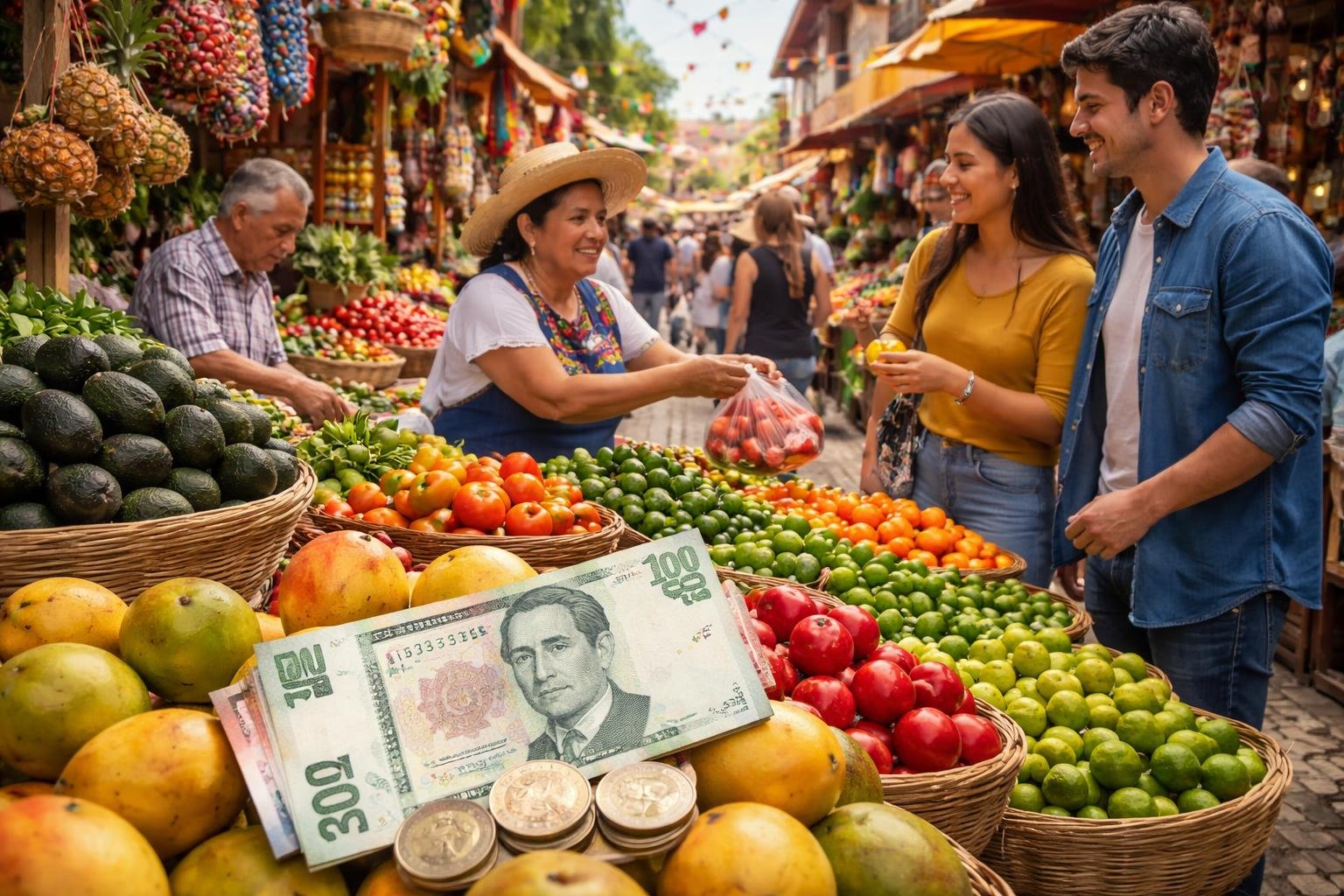
What $200 buys depends on where you spend it, the current dollar-to-peso rate, and any fees when you change or move money. Each factor can change your final peso amount by hundreds.
Regional Price Variations
Prices change a lot between tourist cities and small towns. In Mexico City, Cancún, and popular beach towns, you’ll pay more for hotels, restaurants, and taxis.
A basic meal in a tourist zone can cost 150–400 MXN. The same meal in a non-tourist town might be just 60–120 MXN.
Local markets, public transport, and family-run restaurants usually cost less than chain stores and hotels. Imported goods and electronics cost more in remote areas.
If you want to stretch $200, shop at local markets and travel outside the major tourist districts.
Fluctuations in Exchange Rates
The USD–MXN exchange rate moves daily and changes how many pesos you get for $200. For example, if 1 USD = 17.30 MXN, $200 is about 3,460 MXN. If the rate shifts to 18.15, $200 becomes about 3,630 MXN, so you gain around 170 MXN in buying power.
Watch live USD to MXN charts before you exchange. Short-term swings of 0.5–1 MXN per dollar are possible, which can add or subtract a few hundred pesos.
Use an online converter or your bank’s rate to know the exact amount before spending.
Bank and Transfer Fees
Changing dollars to pesos at airports, hotels, or tourist kiosks usually means poor rates and big fees. Banks and regulated currency services give better rates but can charge flat or percentage fees.
ATM withdrawals add card fees plus the ATM operator’s fee, which might cost 50–250 MXN per withdrawal.
Compare providers. Some online services show mid-market rates with lower fees.
If you use a card, check for foreign transaction fees and your bank’s exchange rate policy. Small fees add up and reduce the effective peso value of your $200.
Withdrawing once for a larger amount can help cut repeated ATM fees.
Tips for Exchanging and Using Dollars in Mexico
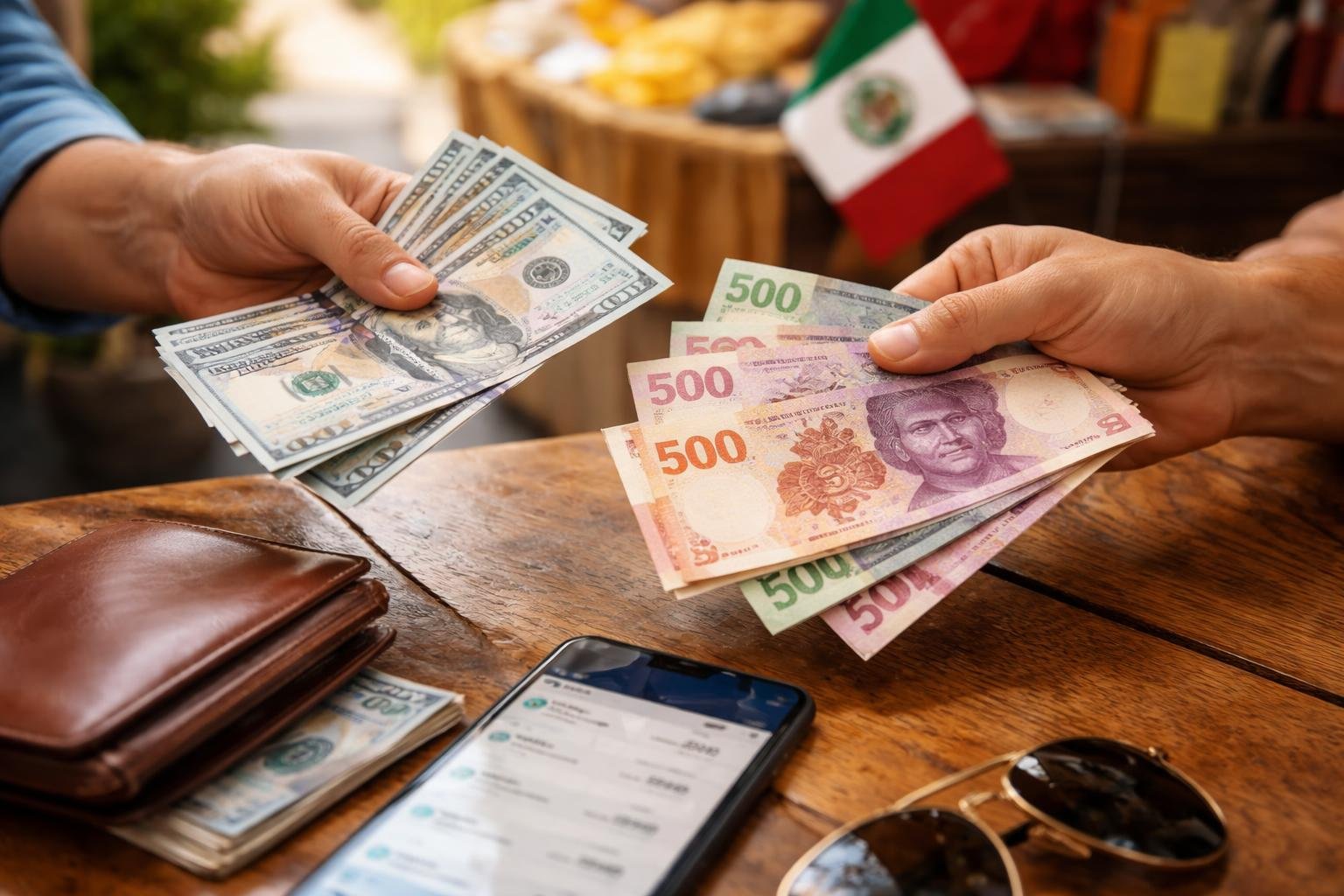
You’ll get the best value by planning ahead, carrying a small mix of cash, and using bank ATMs for bigger withdrawals. Know the current USD to MXN exchange rate and avoid on-the-spot offers that lock you into bad deals.
Best Ways to Convert USD to MXN
Exchange a small amount at your bank before you travel—enough for taxis and first-day expenses (maybe $100–$200 USD). Banks usually give better rates than airport kiosks, and you avoid last-minute stress.
Withdraw pesos from Mexican bank ATMs when you need more. This usually gives you a near-market USD to MXN rate and beats most cash-exchange shops.
If you must use a money changer, compare posted rates and fees at a few casas de cambio first.
Carry small pesos for tips and street buys. Keep larger USD bills crisp and unmarked if you plan to exchange them—some places reject damaged notes.
Using ATMs and Currency Exchange Services
Stick to ATMs inside bank branches (BBVA, Banorte, Citibanamex) for safety and better rates. Take out only what you need for a few days to limit risk.
Your home bank will probably charge a withdrawal fee, but it’s usually worth it for the better rate.
Avoid ATMs in isolated spots or machines that look tampered with. If a machine offers a conversion to USD, decline and choose pesos—the machine’s conversion uses a bad rate.
For larger cash exchanges, go into a bank branch with your passport to get official paperwork and clear fees.
Avoiding Unfavorable Rates
Always check a live currency converter or your bank app for the current usd to mxn rate before you change money. If a vendor offers to charge you in dollars, say no—dynamic currency conversion adds 5–10% to the price.
Ask to be billed in pesos instead.
Compare the posted exchange rate, any commission or fixed fee, ATM withdrawal fees, and whether the transaction uses DCC. Keep receipts for every exchange so you can check the math and dispute overcharges if needed.
Frequently Asked Questions
Here are real numbers about pesos, daily costs, and short-trip budgets using current exchange ranges and typical local prices.
How far can $200 USD go for daily expenses in Mexico?
In many mid-size cities, $200 USD can cover about 5–10 days of basic daily expenses for one person. That includes simple meals at local restaurants, public transit, and some sightseeing.
If you stay in tourist areas or eat at higher-end restaurants, $200 will stretch for only 2–4 days. Local markets and buses help your money last a lot longer.
What is 2,000 pesos worth in US dollars, and is it considered a large amount locally?
At current rates, 2,000 pesos comes out to about $110 to $120 USD. The exchange rate hovers around 17 to 18 pesos per dollar, but it shifts all the time.
If you want the most accurate number, it’s best to check a live currency converter like Wise. That way, you’re not just guessing.
Locally, 2,000 pesos isn’t exactly a fortune, but it’s handy. You could get a few days’ worth of food and transportation, or maybe treat yourself to a mid-range dinner and pick up a couple of small things.
What can you typically buy with 200 pesos in Mexico?
With 200 pesos, you can grab several street meals—think six to ten tacos. If you’re shopping for groceries, it should last you a couple of days for basics.
That amount also covers local bus fares for several trips or a short taxi ride in many cities. In beach towns, you might buy a cheap souvenir and a drink with it.
In pricier tourist areas, though, 200 pesos stretches further on essentials than on extras like hotel add-ons or fancy cocktails.
Is 500 pesos considered a lot of money for everyday purchases in Mexico?
For daily spending, 500 pesos is pretty comfortable for one person. You can eat all day and get around town without worrying too much.
It’ll also cover a casual lunch for two or a small trip to the grocery store. But when it comes to bigger things—hotel stays, guided tours, or multiple restaurant meals—500 pesos just doesn’t go that far. You’d need quite a bit more for those.
How much is 200 Mexican pesos in US dollars at today’s exchange rate?
Right now, 200 pesos is about $11 to $12 USD. The rate changes, so it’s smart to check a real-time converter like the Wise currency page if you want to know for sure.
Keep in mind, the actual amount you get with cash or card might be a little different because of fees or what merchants charge. It’s just one of those things you have to watch for.
How long could $500 USD reasonably last while traveling in Mexico?
If you stick to a frugal lifestyle and use local transport, $500 USD might stretch for 10 to 20 days in many non-touristy cities. That covers basic meals, budget lodging, and just a few paid activities.
In tourist hotspots, where hotels and restaurants charge more, $500 usually only lasts about 5 to 7 days. It’s smart to plan your lodging and main activities first to figure out how far your money will go.